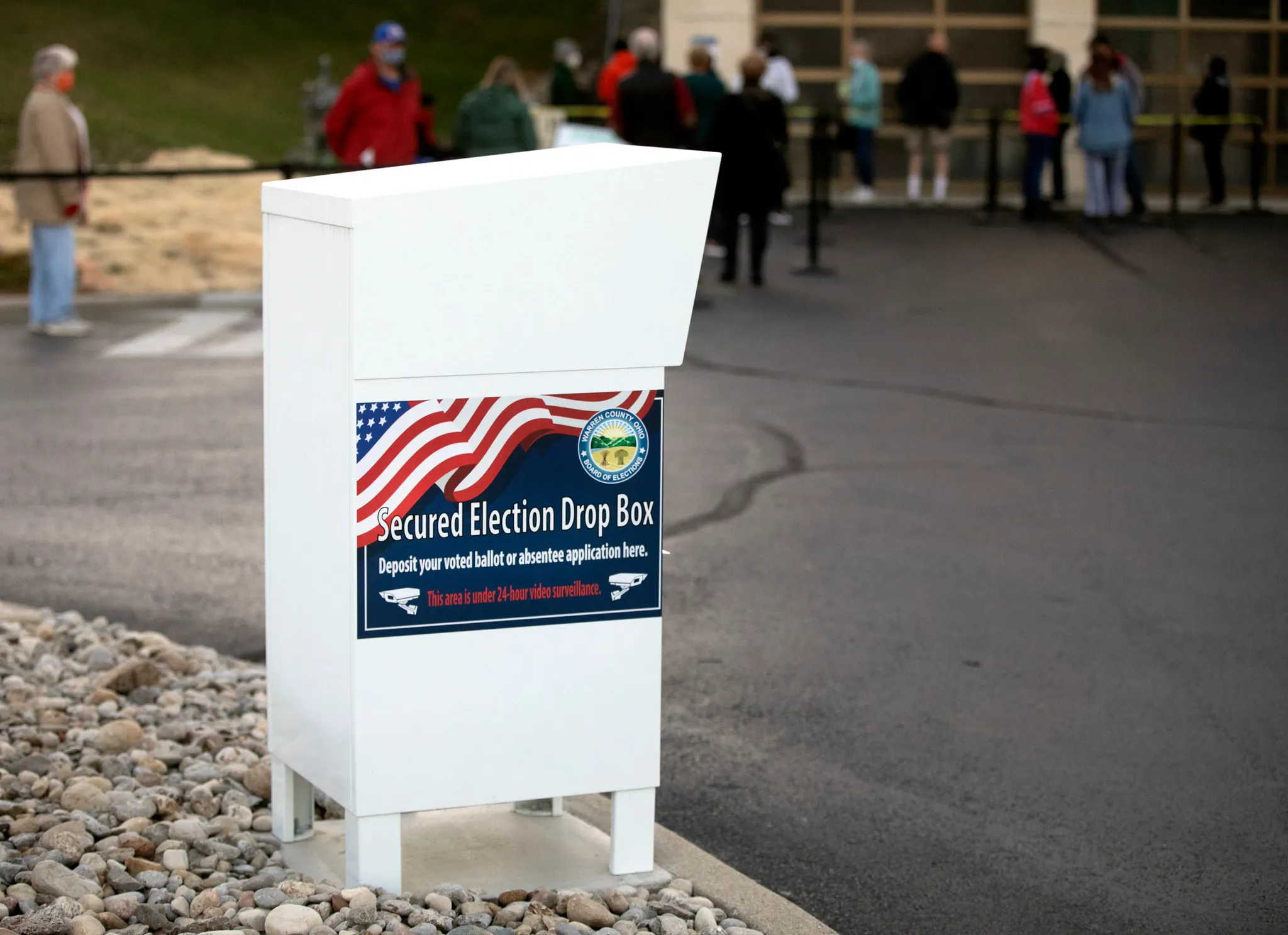
In Ohio, a state where democracy traditionally relies on broad citizen participation, President Donald Trump's proposal to ban mail-in voting has sparked a storm of outrage and concern. Over 1.1 million Ohio residents took advantage of this method during the 2024 general elections, the majority of whom are seniors, military personnel, students, and rural residents. But Trump, citing unfounded accusations of "massive fraud," aims not only to eliminate mail-in voting but also to ban the use of voting machines and tabulators, which provide quick vote countings. This step, according to experts and voter rights advocates, could undermine the foundations of American democracy and complicate voters’ access to the electoral process for millions of citizens.
"Mail-in voting is corrupt," — Trump stated on Monday, repeating his long-standing rhetoric unsupported by evidence. "With mail-in voting, true democracy is impossible." His team, he claims, is preparing an executive order that will radically change the electoral system, returning vote tabulation to manual methods — a step experts describe as not only impractical but potentially illegal.
Ohio as the epicenter of debate
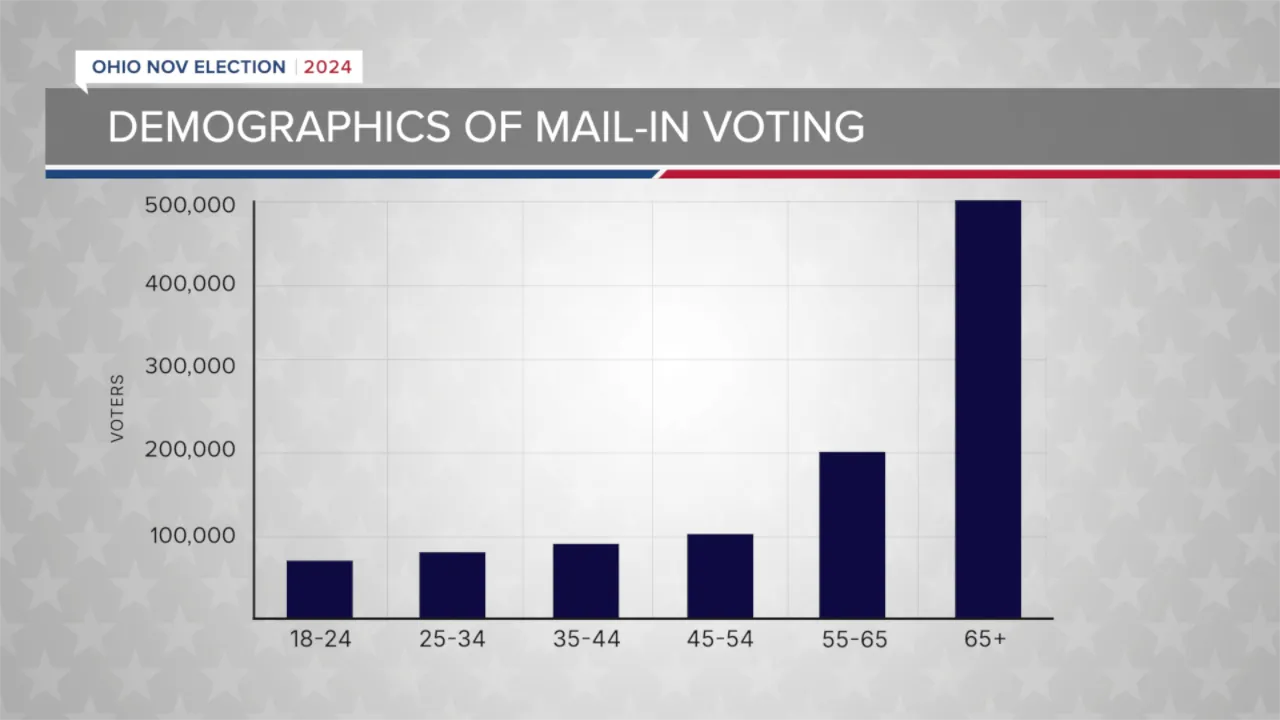
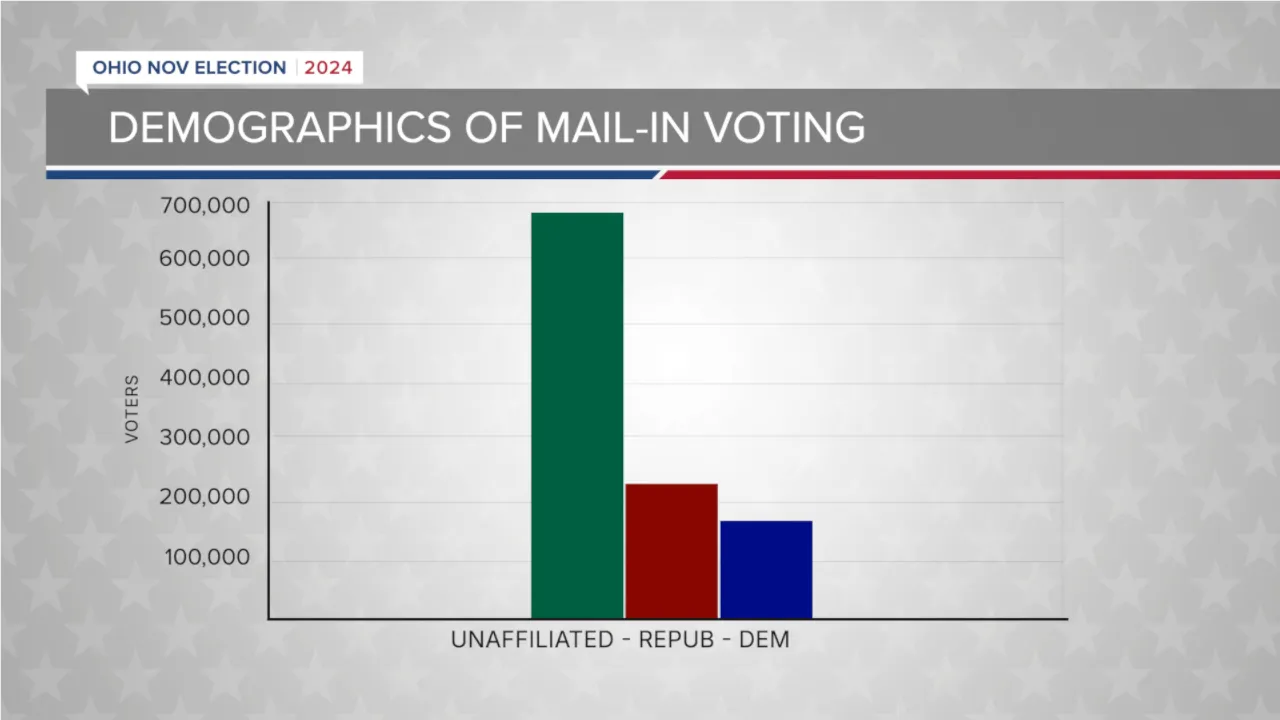
Ohio, known as the "gold standard" of electoral processes, has become the focal point of this controversy. According to the 2024 election data, mail-in voting was particularly popular among voters over 65, who sent about 520,000 ballots, and those aged 55–64, with an additional 205,000. Independent voters led in mailing ballots, followed by Republicans and then Democrats. These figures underscore that the postal system is not a partisan stronghold but rather a tool that ensures voting accessibility across different population groups.
"This is especially important for seniors, military personnel, rural residents of Ohio, voters with disabilities, and students," — said Jen Miller, executive director of the Ohio League of Women Voters. She emphasized that the mail system has proven to be "safe, reliable, and effective" for all political factions. Audits conducted by Republican Secretary of State Frank LaRose confirm her words: no evidence of widespread Falsifications has been found.
However, Trump remains unwavering, claiming that voting machines and the postal system open the door to manipulation. His proposal has faced sharp criticism from experts who point out legal and practical obstacles. "Trump does not have the authority for this," — said Atiba Ellis, law professor specializing in elections at Case Western Reserve University. "Only Congress can dictate how federal elections operate. An executive order cannot simply cancel a system that has been functioning securely for over a century."
Political maneuvers and public reaction
The reaction in Ohio has polarized the political landscape. LaRose's spokesperson, Ben Kindent, diplomatically noted that the Secretary of State’s office "is awaiting details of the president’s proposal" and emphasized that any changes to the election process would require approval by the state’s General Assembly. Meanwhile, candidates for Secretary of State display opposing positions. Republican Robert Spreg, through his spokesperson Dallon Trockmorton, expressed support for "the president's concerns about election integrity," though he avoided specifics. In contrast, Democrat Bryan Gamble categorically condemned the idea, calling it "bad" and stating it would "disproportionately harm rural communities and military personnel abroad."
Gamble also pointed out practical consequences: banning voting machines and shifting to manual vote counting could paralyze the electoral process, significantly delay results, and increase taxpayer expenses. "Ohio residents deserve a democracy where voting is easy and fair for everyone," — he underscored.
Is democracy threatened?
Trump’s proposal has caused concern among voter rights defenders, who are already preparing lawsuits against any executive order that would restrict mail-in voting. Miller, who has long opposed attempts by Ohio Republicans to complicate voting through ID requirements or ballot box restrictions, fears that new reforms will only add pressure to the electoral system. "This would mean more work for election commissions, higher costs for taxpayers, and less access for voters," — she said.
This controversy is part of a broader struggle over the future of American democracy. Ohio, with its meticulously organized electoral system, has become a testing ground for how far rhetoric about "fraud" can go without factual evidence. As Trump advances his plan, voices like Miller's are growing louder: "Our democracy works best when we all participate in it."
Whether the president will succeed in implementing his intentions depends on legal battles, political will, and perhaps the will of Ohio voters themselves, who have already shown that they value their voice — regardless of how it is cast.